
 Send Inquiry

Wheel Loader Brake Systems: Working Principles and Common Fault Analysis
Contents
The braking system is the core safety component of wheel loaders. In this blog, we will focus on two common configurations of wheel loader brake systems. We will look at how they work and what parts they are made of, and we will also list the most common problems users have with them.
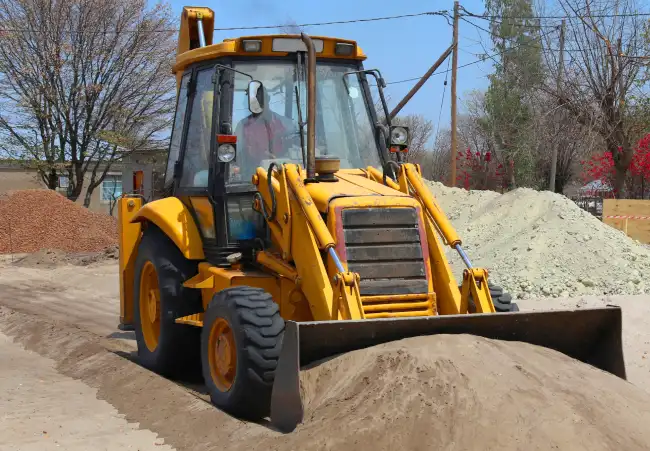
Currently, the wheel loader braking systems are mainly divided into two types:
– Pneumatic-hydraulic braking systems. This type is often used in small tonnage loaders, usually under 5 tons.
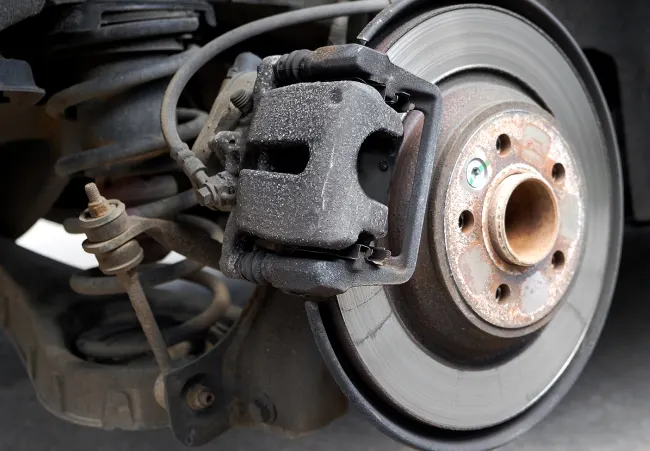
– Fully hydraulic wet braking systems. This type is often seen in heavy-duty loaders, like Volvo, or Caterpillar models above 7.5 tons.
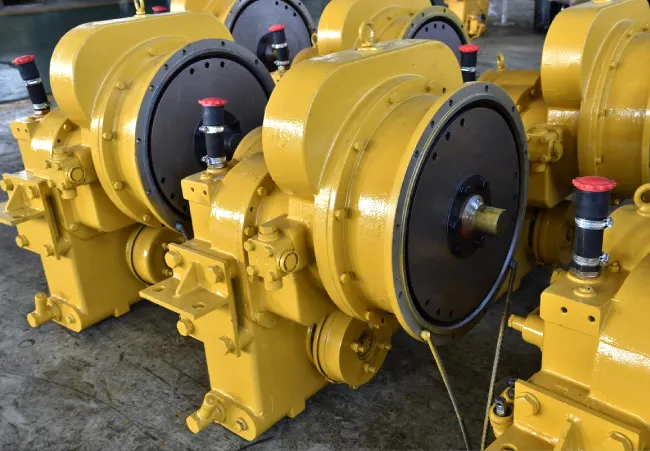
Operation Principle and Common Problems of Pneumatic-Hydraulic Braking Systems
1.1 Working Principle

The pneumatic/air-hydraulic braking system mainly consists of many components, including:
– Air compressor
– Air reservoir
– Foot brake valve
– Booster pump
– Axle brakes
– Safety valve
For air-hydraulic braking loaders of different brands, their parking brake methods and system piping layout might be a bit different, but the basic working principle is always the same.
The engine drives the air compressor to produce compressed air. The air gets dried by the oil-water separator and then stored in the air reservoir. The pressure of relief valve is set at 0.6–0.8 MPa to keep the pressure stable.
When the driver presses the foot brake, air flows to the booster pumps. The pumps push high-pressure brake fluid, allowing the brake pads to press against the brake discs in order to achieve braking. When the brake is released, the spring returns to its original position, the oil circuit releases pressure, and the braking is lifted.
For parking brakes, there are two types: caliper type and drum type. They operate by locking the transmission shaft. When the parking brake is applied, the air pressure pushes the braking components to lock the transmission shaft, thus achieving parking.
1.2 Common Fault Analysis
Problems with the pneumatic-hydraulic braking system can be divided into two types. They are air circuit faults and hydraulic circuit faults. Both of them affect the loader’s braking ability. Before starting work, the operator must check the system’s air pressure, check the brake fluid level and test how well the braking system works.
1.2.1 Problems with Air Circuits
① Leaks in branch air lines and fittings. Over time, normal wear and tear can cause leaks in air lines and fittings. There’re also other reasons, for example, incorrect branch air line routing, or contact and friction between air lines and other components. All of these can lead to wear and leakage.
② Leaks in air circuit components. Over time, normal wear and tear on parts, such as the foot brake valve and oil-water separator (air dryer tank) can also result in leaks. This can lower air pressure.
③ Blockage of air lines. If the air receiver tank is not promptly drained during the winter, water can enter and freeze inside the air lines, resulting in blockages. The air receiver tank still has pressure, but the axles cannot brake.
So, equipment managers need to do something before winter. They must arrange maintenance in time, or they can replace the dryer tank. This is to ensure all moisture is filtered out. We must check the drainage of the air receiver tank regularly to keep driving safe.
④ The air compressor runs at high speed for a long time. This brings about wear on the valve plates and piston rings inside the air pump. Such wear has a negative impact on the work of the air compressor. There are other factors that shorten the air pump’s service life. For example, the air filter is not cleaned on time, the intake pipe has leaks, or engine oil is not maintained or replaced as needed.
⑤ Booster Pump Air Chamber Failure. The most common failure points in the air chamber are the piston and seals. If drivers brake frequently in operation or operate the machine aggressively, these actions can cause seal wear and piston deformation. And in the end it will lead to poor braking performance. What’s more, the spring in the air chamber may fatigue and fracture. This can lead to complete brake failure even when air pressure and brake fluid are normal.
1.2.2 Brake Fluid System Failures
① Insufficient Brake Fluid:
Brake fluid leaks from ruptured lines, fittings or the reservoir. These leaks can lower fluid levels. We should immediately repair it or add brake fluid. Brake fluid is stored in the booster pump’s reservoir. The reservoir is usually made of translucent plastic. It is marked with minimum and maximum lines. Drivers need to check the brake fluid level before each trip. This ensures that the brake system can function well.
② Brake Booster Master Cylinder Failure:
Wear may happen in the master cylinder chamber. The return valve or outlet valve may be damaged. These problems can cause master cylinder failure. Worn master cylinder pistons lead to poor sealing. Under the circumstances, brake fluid can enter the air chamber. Prolonged leakage reduces brake fluid. It also causes corrosion failure of the hydraulic master cylinder.
③ Axle Brake Lockup:
These factors can cause brake dragging on the front or rear axle: the booster pump has been used for too long, the valve core and spring cannot return, or the pump chamber is rusted. If the dust seal of the brake piston is broken, dust and dirt will get inside of the brake. Then the piston will get stuck and bring about brake dragging.
If the machine is parked for a long time, the rain and snow can make the piston rust. This will also bring about brake dragging. So, when you don’t use your loaders for a long time, remember to cover and store the machine in case of erosion from rain and snow. Don’t forget to run your machine regularly to prevent piston rust and brake dragging.
How Fully Hydraulic Wet Braking Systems Operate and Typical Issues
2.1 Working Principle
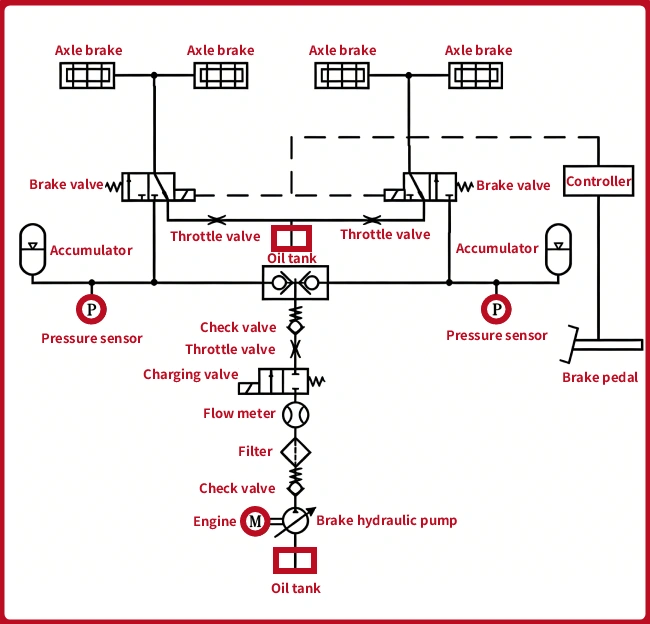
The fully hydraulic wet braking system mainly includes:
– Brake hydraulic pump
– Accumulator, brake valve
– Axle brake, parking brake
– Pipes
– Sensors
– Solenoid valves
There are three types of accumulators:
– Bladder
– Diaphragm
– Piston
They are all for storing hydraulic pressure for braking. The system uses two independent circuits, and the two circuits do not interfere with each other. If one fails, the other can still work normally.
The brake pump charges the accumulator steadily through the charging valve. Charging will stop when pressure reaches the upper limit. Hydraulic oil cools down by circulating within the system.
When the driver steps on the brake pedal, the brake valve opens. Then the accumulator releases high-pressure oil. The oil enters the brakes and presses the pads to stop the wheels.
When pressure drops, the charging valve recharges automatically. This makes a cycle: charge, brake, charge.
When the driver releases the foot brake pedal, the hydraulic fluid in the axle brakes depressurizes. The brake pads separate under the action of return springs, stopping braking. The hydraulic fluid in the axle brakes flows back to the hydraulic oil tank via the dual-path control valve.
The loader’s fully hydraulic wet braking system is a fully enclosed control system. Compared to traditional air-hydraulic braking systems, it has the following advantages:
1. It doesn’t have air compressor circuits, and has a single system medium. It has dual independent circuits, which makes it more reliable.
2. Hydraulic oil is less compressible. Braking can be faster. There is no need to wait for air pressure, it can be ready for work in less time.
3. The accumulator can still brake even when the engine or pump stops. So it’s safer in operation.
4. Brake pads work in sealed oil. They are not affected by weather and dust. So they are more stable and have a longer service life.
Although there are many advantages, disadvantages still exist. For example, the complex structure, high cost, and longer fault diagnosis time.
2.2 Common Fault Analysis
The fully hydraulic wet braking system has a relatively low failure rate. But when problems occur, they are difficult to diagnose. Here are the two common faults:
2.2.1 Low System Braking Pressure
Low system brake pressure can be caused by a number of factors, including the accumulator, brake hydraulic pump, and dual-circuit brake valve.
① To test the accumulator, release pressure while the car is not moving. No or low pressure means failure, needs replacement. Accumulators are pressure vessels. Only professionals can repair them.
② If the brake hydraulic pump has no abnormal noise, we need to test its pressure. If pressure is too low, we should check the components like the regulator.
③ Examine the system control valve if the system continues to sound a low brake pressure alarm despite the brake hydraulic pump and accumulator operating normally. This valve controls flow and pressure in the braking system; low system pressure may also result from the spool becoming stuck in a position as a result of failure.
2.2.2 Not Enough Braking Force for Service
In addition to failures of the brake hydraulic pump, accumulator, or control valve, the following possible causes can also lead to insufficient service braking force:
① Air trapped in a recently repaired axle’s wheel-end assembly. This makes the pads unable to be pressed tightly during braking. This causes insufficient braking force.
② Due to long-term heavy use and frequent braking, friction plates will wear out. The wear of the front axle is more serious. Severe wear can cause slipping and declining braking performance.
③ Axle brakes use hydraulic fluid, while the internal differential uses gear oil. They are separated by seals at the wheel-end. Seals age under high temperature and pressure. When the sealing becomes poor, the hydraulic oil will leak into the gear oil. This causes pressure loss and weak braking. At this point, we need to check hydraulic oil and gear oil. We should overhaul the wheel brake. Then replace seals regularly.
Conclusion
Both air-hydraulic and fully hydraulic wet braking systems have their own advantages and disadvantages. When brakes fail, be sure to check carefully and find the root cause. It’s important to know how to repair, but operation and maintenance are more critical.
Good operating and maintenance habits can reduce malfunctions, making minor issues turn into major ones. In this way, we can lower maintenance costs, extend service life of our loaders, and ensure production safety.

Posted by Isabel leave words
Thanks for reading. I hope my article helps. Please leave a comment down below. You may also contact YUFAN online customer representative for any further inquiries.
 English
 Arabic
 Chinese (Simplified)
 Dutch
 French
 Italian
 Portuguese
 Russian
 Spanish
Leave a Reply